AI in Logistics: Reinventing the Supply Chain
The global supply chain is one of the most complex systems ever built, and artificial intelligence is rapidly becoming the intelligence layer that makes it work. From demand forecasting to last-mile delivery, AI is transforming logistics at every stage.
The Complexity Challenge
The global supply chain is one of the most complex systems ever built, and artificial intelligence is rapidly becoming the intelligence layer that makes it work. From demand forecasting to last-mile delivery, AI is transforming logistics at every stage. The disruptions of recent years, including pandemics, geopolitical conflicts, and climate events, have exposed the fragility of traditional supply chains and accelerated the adoption of AI-driven solutions that can anticipate, adapt, and respond in real time.
Demand Forecasting and Inventory Optimization
Perhaps the most impactful application of AI in logistics is demand forecasting. Traditional forecasting relied on historical sales data and seasonal patterns, but AI models incorporate a vastly wider range of signals:
- Social media trends and sentiment analysis that detect shifts in consumer preferences before they appear in sales data.
- Weather patterns and climate data that affect demand for seasonal products, agricultural goods, and energy.
- Economic indicators and market signals that predict macroeconomic shifts affecting purchasing behavior.
- Competitor activity and pricing data gathered from public sources to anticipate market dynamics.
By processing these diverse data streams, AI forecasting models achieve accuracy improvements of 20 to 50 percent over traditional methods. This translates directly into reduced inventory costs, fewer stockouts, and less waste, particularly critical for perishable goods and fast-moving consumer products.
Route Optimization and Fleet Management
AI is revolutionizing how goods move from point A to point B. Route optimization algorithms consider real-time traffic data, weather conditions, delivery windows, vehicle capacity, and fuel costs to determine the most efficient paths for delivery fleets. The results are significant:
- Fuel savings of 10 to 15 percent through optimized routing and reduced idle time.
- Faster delivery times as AI dynamically reroutes vehicles around congestion and road closures.
- Better fleet utilization with AI matching loads to vehicles and minimizing empty miles.
- Predictive maintenance that uses sensor data to schedule vehicle repairs before breakdowns occur, reducing costly downtime.
Major logistics providers have reported that AI-driven route optimization alone has saved them hundreds of millions of dollars annually while simultaneously improving customer satisfaction through more reliable delivery windows.
Warehouse Automation and Robotics
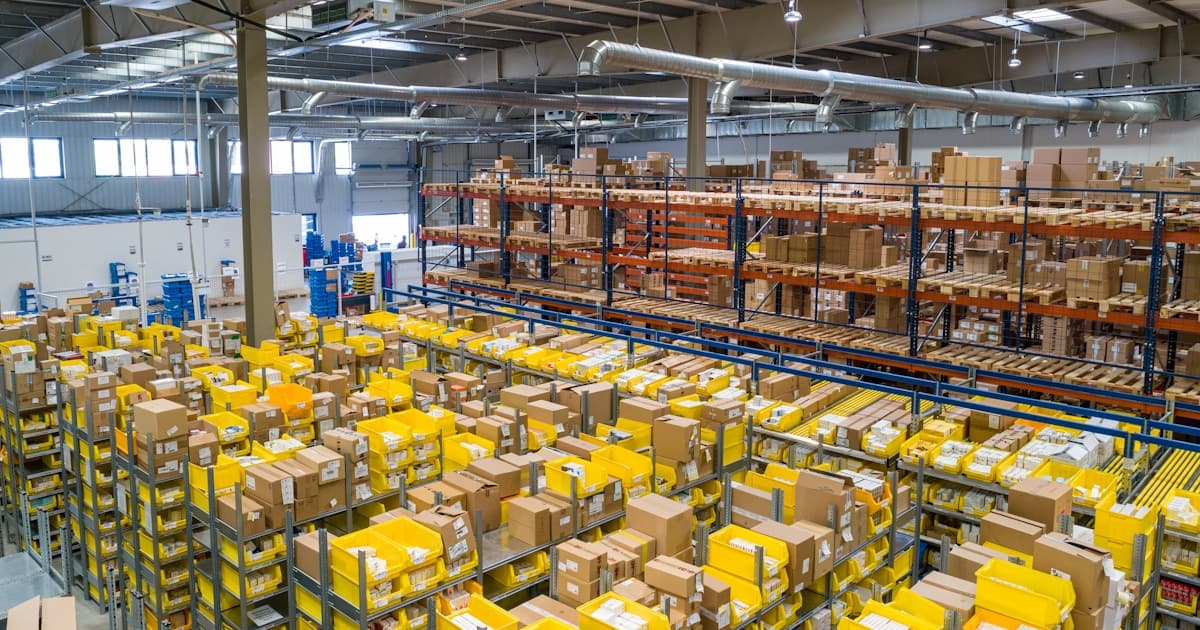
Inside the warehouse, AI is the brain behind an increasingly automated operation. AI-powered warehouse management systems coordinate the activities of human workers and robots to maximize throughput and accuracy:
- Robotic picking and packing systems guided by computer vision can handle a growing range of product shapes and sizes.
- Dynamic slotting algorithms continuously optimize product placement within the warehouse based on order patterns, reducing travel time for pickers.
- Quality control using AI-powered visual inspection catches defects and errors before products ship.
- Labor planning that forecasts staffing needs based on expected order volumes and schedules workers accordingly.
The combination of AI decision-making and robotic execution is creating warehouses that operate faster, more accurately, and more safely than purely human-operated facilities.
Supply Chain Visibility and Risk Management
One of the most valuable contributions of AI to logistics is end-to-end supply chain visibility. AI platforms aggregate data from suppliers, manufacturers, transportation providers, and retailers to create a real-time picture of the entire supply chain. This visibility enables:
- Proactive risk identification: AI monitors geopolitical events, natural disasters, supplier financial health, and other risk factors to alert companies before disruptions impact their supply chains.
- Scenario planning: AI simulates the impact of potential disruptions and recommends contingency plans, such as alternative suppliers or routing changes.
- Supplier performance management: Continuous monitoring of supplier delivery times, quality metrics, and capacity helps companies make better sourcing decisions.
- Compliance tracking: AI ensures that shipments comply with customs regulations, trade restrictions, and sustainability requirements across jurisdictions.
Companies with AI-enabled supply chain visibility have demonstrated significantly faster response times to disruptions, minimizing the revenue and reputation impacts that can result from supply chain failures.
Sustainability and Green Logistics
AI is also playing a crucial role in making logistics more sustainable. By optimizing routes, reducing empty miles, improving warehouse energy efficiency, and enabling better demand planning that reduces overproduction and waste, AI contributes to measurable reductions in the carbon footprint of supply chain operations. Carbon-aware routing, which factors emissions into optimization algorithms alongside cost and speed, is becoming standard practice among leading logistics providers.
Conclusion
The reinvention of the supply chain through AI is not a future aspiration but a present reality. Organizations that invest in AI-driven logistics are building supply chains that are more efficient, resilient, and sustainable. As the technology continues to mature and new applications emerge, the gap between AI-enabled and traditional supply chains will only widen, making adoption not just an advantage but a necessity for competitive survival.
Continue Reading
RELATED ARTICLES