AI Transforming Retail: The Intelligent Storefront
The retail industry is undergoing a fundamental transformation powered by artificial intelligence. From personalized shopping experiences to optimized inventory management, AI is redefining what it means to be a retailer in the modern economy.

Retail Reimagined
The retail industry is undergoing a fundamental transformation powered by artificial intelligence. From personalized shopping experiences to optimized inventory management, AI is redefining what it means to be a retailer in the modern economy. Whether operating online, in physical stores, or across both channels, retailers that leverage AI are delivering better customer experiences, operating more efficiently, and gaining competitive advantages that traditional approaches cannot match.
Hyper-Personalization at Scale
The most visible impact of AI in retail is the move toward hyper-personalized shopping experiences. AI enables retailers to treat each customer as an individual, even when serving millions:
- Product recommendations powered by deep learning analyze purchase history, browsing behavior, demographic data, and even contextual signals like time of day and weather to suggest items that each customer is most likely to want.
- Dynamic pricing adjusts prices in real time based on demand, inventory levels, competitor pricing, and individual customer price sensitivity, maximizing revenue while maintaining perceived fairness.
- Personalized marketing delivers tailored email campaigns, push notifications, and advertising that resonate with each customer's interests and purchase patterns.
- Virtual styling and fitting: AI-powered tools help customers visualize how clothes, furniture, and other products will look on them or in their space, reducing the uncertainty that prevents online purchases.
Retailers using AI-driven personalization report revenue increases of 5 to 15 percent (with marketing-ROI gains of 10 to 30 percent) from improved conversion rates, higher average order values, and increased customer loyalty.
Intelligent Inventory Management
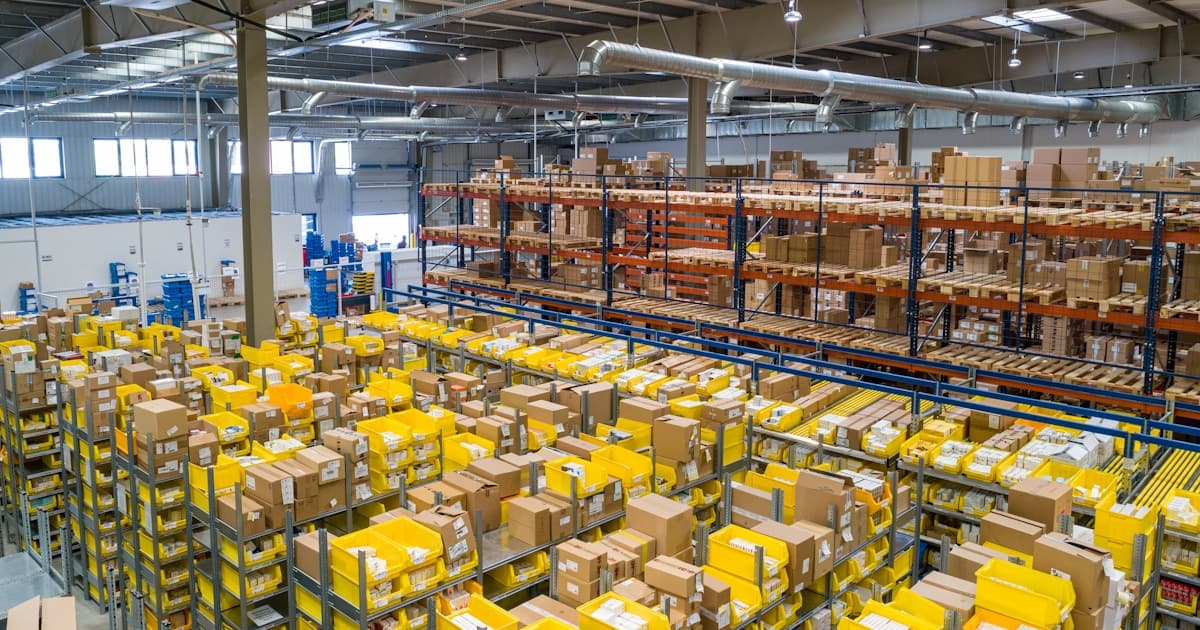
Behind the scenes, AI is solving one of retail's oldest challenges: having the right product in the right place at the right time. AI-powered inventory management systems provide:
- Demand forecasting that accounts for hundreds of variables including seasonality, promotions, local events, social media trends, and macroeconomic indicators.
- Automated replenishment that generates purchase orders based on predicted demand, lead times, and optimal inventory levels, reducing both stockouts and overstock.
- Assortment optimization that determines which products to carry in each location based on local customer preferences and demand patterns.
- Markdown optimization that determines the ideal timing and depth of markdowns to clear excess inventory while minimizing margin erosion.
These capabilities are particularly valuable for omnichannel retailers that must manage inventory across physical stores, distribution centers, and online fulfillment channels simultaneously.
The AI-Powered Physical Store
Far from making physical stores obsolete, AI is making them smarter and more engaging. The intelligent storefront uses technology to enhance the in-store experience:
- Computer vision analytics track customer movement patterns, dwell times, and interaction with displays, providing insights that optimize store layout and merchandising.
- Smart shelves equipped with weight sensors and cameras detect when products are running low or misplaced, alerting staff in real time.
- Checkout-free shopping uses AI and sensor fusion to allow customers to pick up items and walk out, with payment processed automatically through their mobile device.
- In-store AI assistants help customers find products, check availability, and get recommendations through kiosks, mobile apps, or conversational interfaces.
Physical stores equipped with these technologies are seeing increased customer satisfaction and higher sales per square foot compared to traditional formats.
Customer Service Transformation
AI has fundamentally changed how retailers handle customer service. Intelligent customer service platforms provide:
- Conversational AI that handles the majority of customer inquiries, from order tracking to product questions to returns processing, through natural language chat and voice interfaces.
- Sentiment analysis that monitors customer communications and social media mentions, identifying dissatisfied customers before they churn and routing complex issues to human agents.
- Proactive outreach triggered by AI-detected events such as delivery delays, product recalls, or predicted churn risk.
- Agent augmentation that provides human customer service representatives with real-time information, suggested responses, and next-best-action recommendations.
Retailers report that AI-powered customer service reduces costs by 25 to 40 percent while simultaneously improving customer satisfaction scores, as customers receive faster, more accurate, and more consistent service.
Fraud Prevention and Loss Reduction
AI plays a critical role in protecting retail revenue through advanced fraud detection and loss prevention:
- Transaction fraud detection that identifies suspicious payment activity in real time, reducing chargebacks and fraud losses.
- Return fraud identification that flags patterns of abusive return behavior.
- Shrinkage reduction through AI-powered video analytics that detect shoplifting and internal theft.
These applications directly impact the bottom line and are among the highest-ROI AI investments for retailers.
Conclusion
AI is not just transforming retail. It is redefining the entire relationship between retailers and their customers. From the moment a customer discovers a product to long after they have made a purchase, AI is creating smarter, faster, and more personalized experiences at every touchpoint. Retailers that invest in AI-driven capabilities today are building the foundation for sustained competitive advantage in an industry where the pace of change continues to accelerate.
Continue Reading
RELATED ARTICLES